NDx-ListeriaControl: บทสรุปองค์ความรู้ใหม่เกี่ยวกับเชื้อ Listeria และการเปลี่ยนแปลงกฎระเบียบที่กำลังจะมาถึง
ในฐานะส่วนหนึ่งของโครงการ FHF ชื่อ NDx-ListeriaControl ทาง NordicDx – ร่วมกับ Nofima, Cermaq และ Assaya – กำลังพัฒนาระบบวินิจฉัยอย่างรวดเร็วแบบใหม่สำหรับการตรวจหาเชื้อ Listeria monocytogenes ในอุตสาหกรรมอาหารทะเล ขณะนี้ Nofima ได้เผยแพร่บทสรุปองค์ความรู้เกี่ยวกับเชื้อ Listeria และข้อกำหนดที่เข้มงวดขึ้นของสหภาพยุโรปซึ่งจะมีผลบังคับใช้ในวันที่ 1 กรกฎาคม 2026
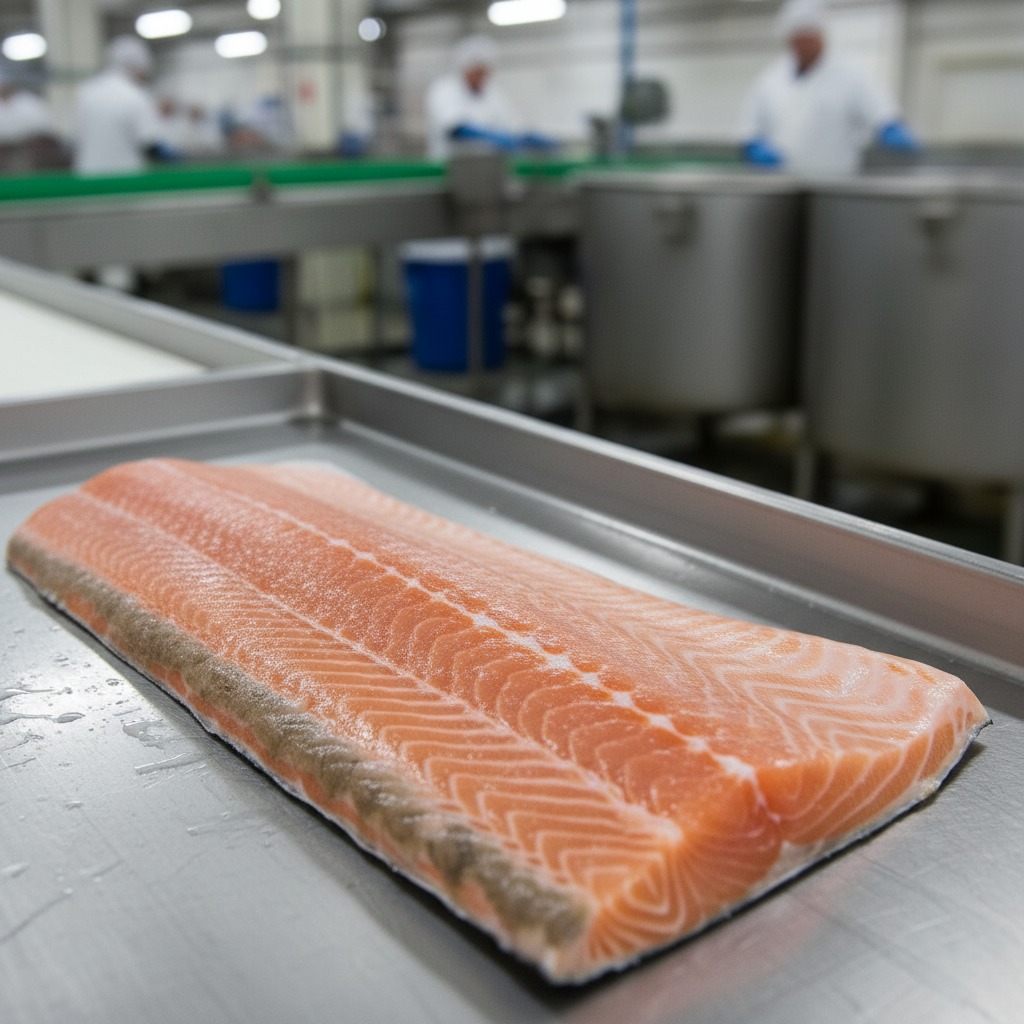
ในฐานะส่วนหนึ่งของโครงการ FHF ชื่อ NDx-ListeriaControl (โครงการ 910119) ทาง NordicDx ร่วมกับ Nofima, Cermaq และ Assaya กำลังพัฒนาระบบวินิจฉัยอย่างรวดเร็วแบบใหม่สำหรับการตรวจหาเชื้อ Listeria monocytogenes ในอุตสาหกรรมอาหารทะเล
ส่วนสำคัญอีกประการหนึ่งของโครงการคือการแบ่งปันองค์ความรู้กับภาคอุตสาหกรรม Nofima จึงได้จัดทำบทสรุปองค์ความรู้ที่อธิบายว่าเหตุใดเชื้อ Listeria monocytogenes จึงเป็นหนึ่งในความท้าทายที่ใหญ่ที่สุดในการผลิตผลิตภัณฑ์อาหารทะเลพร้อมรับประทาน และการเปลี่ยนแปลงกฎระเบียบที่กำลังจะมาถึงจะส่งผลต่อผู้ผลิตอย่างไร
ตั้งแต่วันที่ 1 กรกฎาคม 2026 เป็นต้นไป กฎระเบียบของสหภาพยุโรปที่เข้มงวดขึ้นจะมีผลบังคับใช้ โดยกำหนดข้อกำหนดที่สูงขึ้นสำหรับการจัดทำเอกสารและการควบคุมเชื้อ Listeria ในอาหารพร้อมรับประทาน ผู้ผลิตจะต้องสามารถแสดงหลักฐานได้มากขึ้นว่าเชื้อแบคทีเรียไม่เติบโตจนถึงระดับที่ยอมรับไม่ได้ตลอดอายุการเก็บรักษาทั้งหมดของผลิตภัณฑ์ สิ่งนี้ทำให้ความต้องการวิธีการวิเคราะห์ที่รวดเร็ว เชื่อถือได้ และใช้งานง่ายซึ่งสามารถใช้ได้โดยตรงในสภาพแวดล้อมการผลิตเพิ่มสูงขึ้น
ในบทสรุปองค์ความรู้นี้ คุณสามารถอ่านเพิ่มเติมเกี่ยวกับ
- เชื้อ Listeria monocytogenes คืออะไร และเหตุใดจึงควบคุมได้ยาก
- ความท้าทายที่เชื้อนี้สร้างให้กับอุตสาหกรรมปลาแซลมอน
- การเปลี่ยนแปลงกฎระเบียบที่สำคัญที่สุดตั้งแต่ปี 2026
- เหตุใดการวินิจฉัยอย่างรวดเร็วและการเฝ้าระวังที่มีประสิทธิภาพจึงมีความสำคัญมากขึ้นเรื่อยๆ ต่อความปลอดภัยของอาหารและการบริหารความเสี่ยง
การพัฒนา NDx-ListeriaControl มีเป้าหมายเพื่อมอบเครื่องมือให้แก่อุตสาหกรรมอาหารทะเลที่ช่วยลดเวลาในการวิเคราะห์จากหลายวันเหลือเพียงไม่กี่นาที และมีส่วนช่วยให้การตัดสินใจรวดเร็วขึ้น ความปลอดภัยของอาหารดีขึ้น และลดการเรียกคืนสินค้าที่มีค่าใช้จ่ายสูง
อ่านเพิ่มเติม
- ดาวน์โหลดบทสรุปองค์ความรู้ (PDF) – «Listeria monocytogenes i lakseindustrien; nå kommer de nye reglene» จัดทำโดย Trond Løvdal, Nofima
- อ่านโพสต์บน LinkedIn จาก Nofima เกี่ยวกับงานและผลลัพธ์